Japanese knotweed is a Schedule 9 plant under the Wildlife and Countryside Act 1981. This is an extremely invasive plant, and accurate Japanese knotweed identification is essential to prevent its spread and manage its impact. The problem is with the rhizome, the extensive root system.
This plant is capable of exploiting weaknesses in various building materials and building works to cause damage or even compound existing problems.
Native to Japan, it was introduced to the UK as an ornamental plant in the 19th century and has since become widely established.
All Japanese knotweed in the UK is female. There is no seed production. The plant reproduces itself by fragments of rhizome and stem. This can be spread by watercourses, animals and people, which is why it becomes so well established.
The negative effects of Japanese knotweed in the UK include the following: it outcompetes native British plant species. It also aids in the erosion of riverbanks, leading to an increased risk of flooding.
It also has negative economic effects in the UK, including causing major delays to building work and potential structural damage to drains and underground services. In addition, the plant can force its way through hard standings and asphalt by exploiting existing weaknesses.
Japanese knotweed is a listed plant under Schedule 9 of the Wildlife and Countryside Act 1981 in respect of England, Wales and Scotland. It is an offence to plant or allow to grow wild. Japanese knotweed has been classified as controlled waste under the Environmental Protection Act 1990.
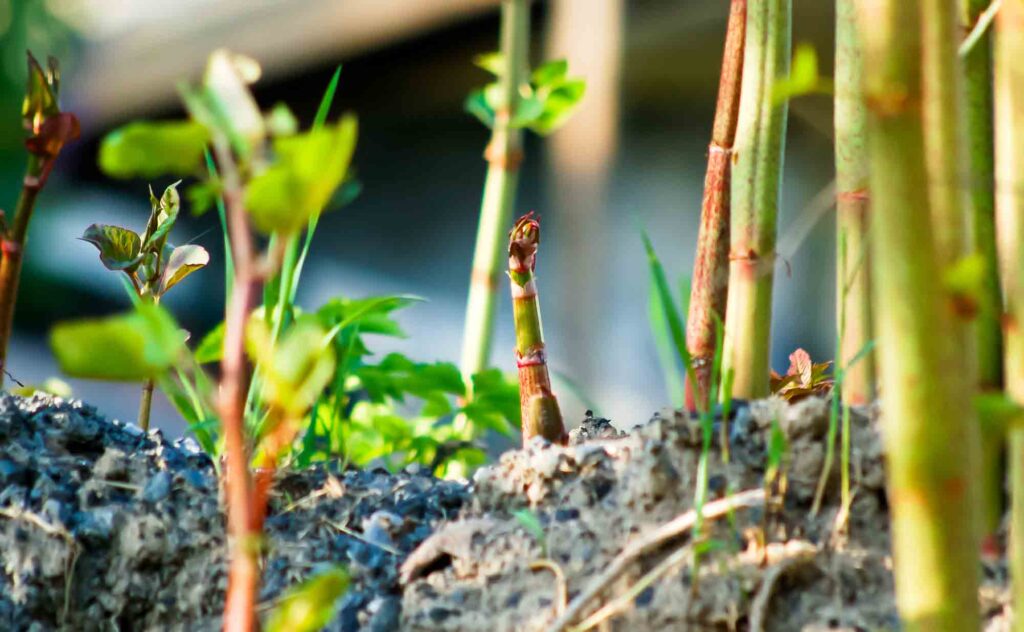
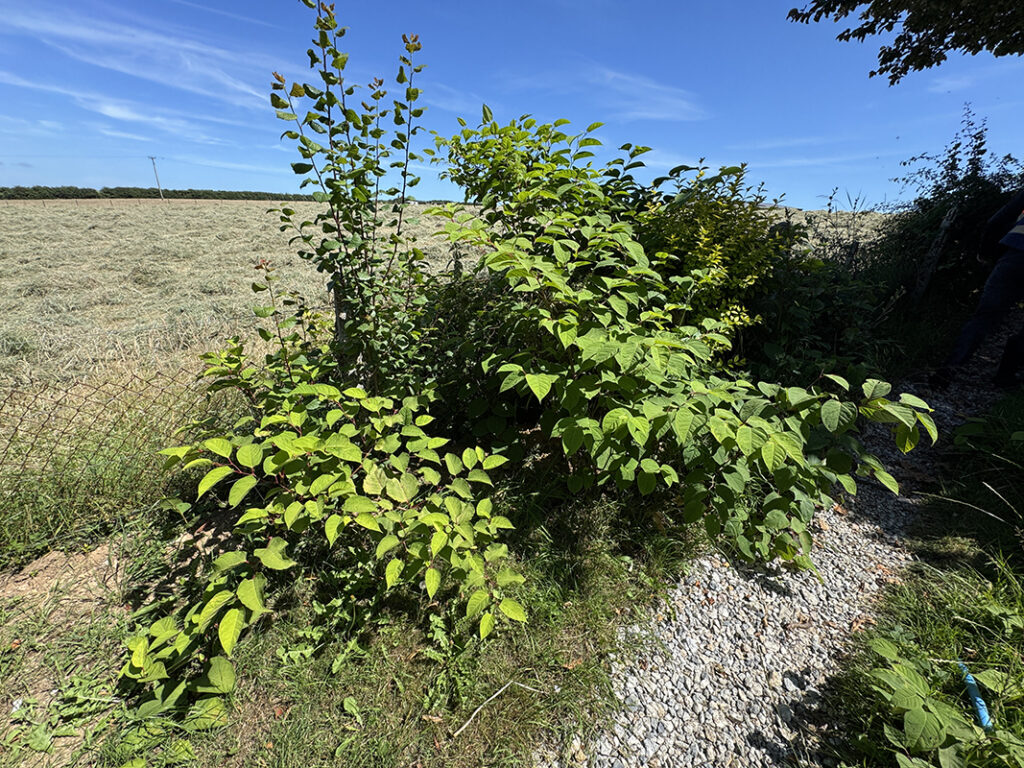
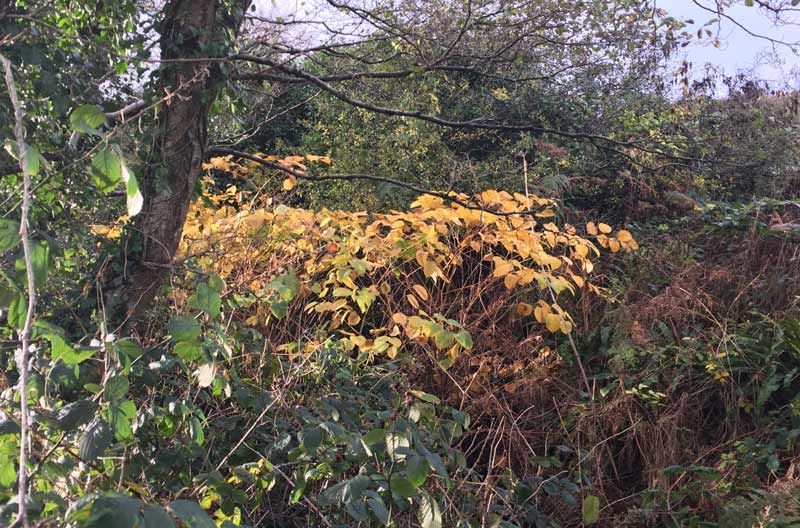
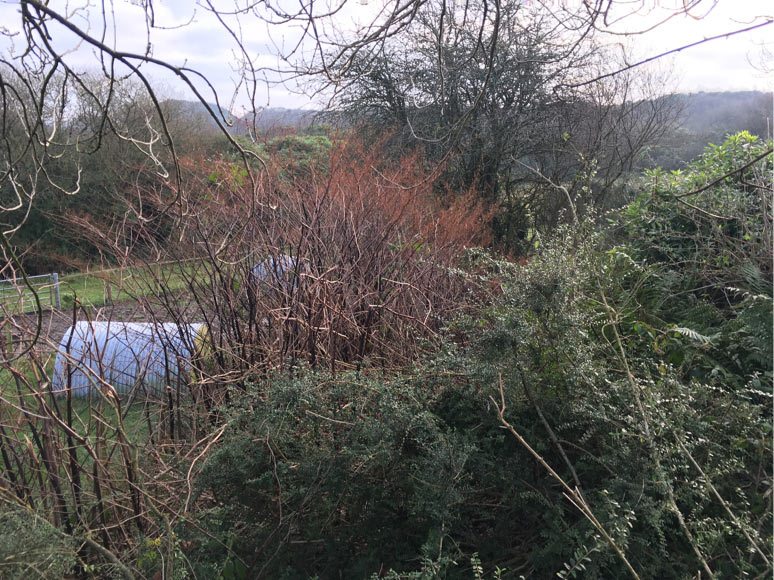
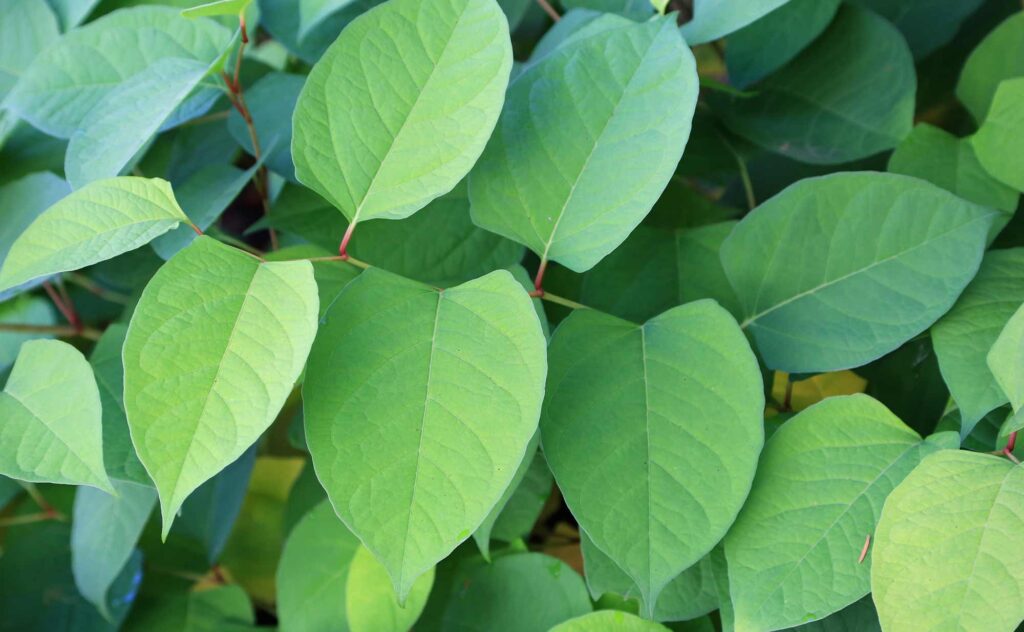

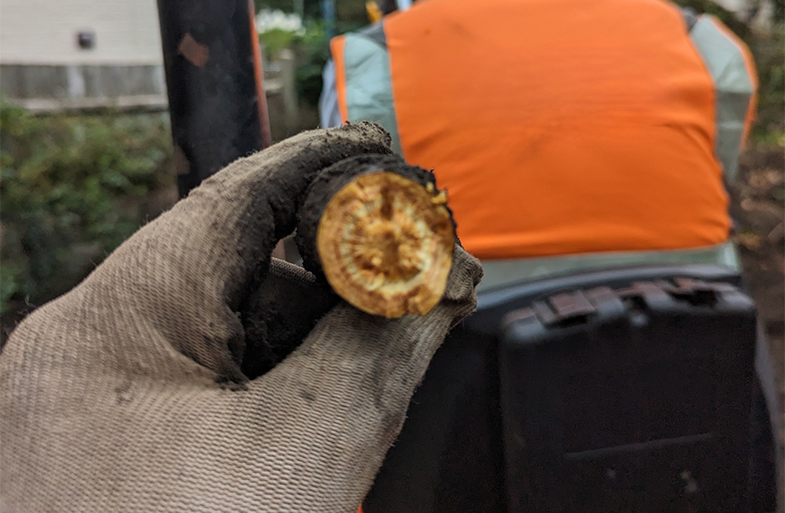
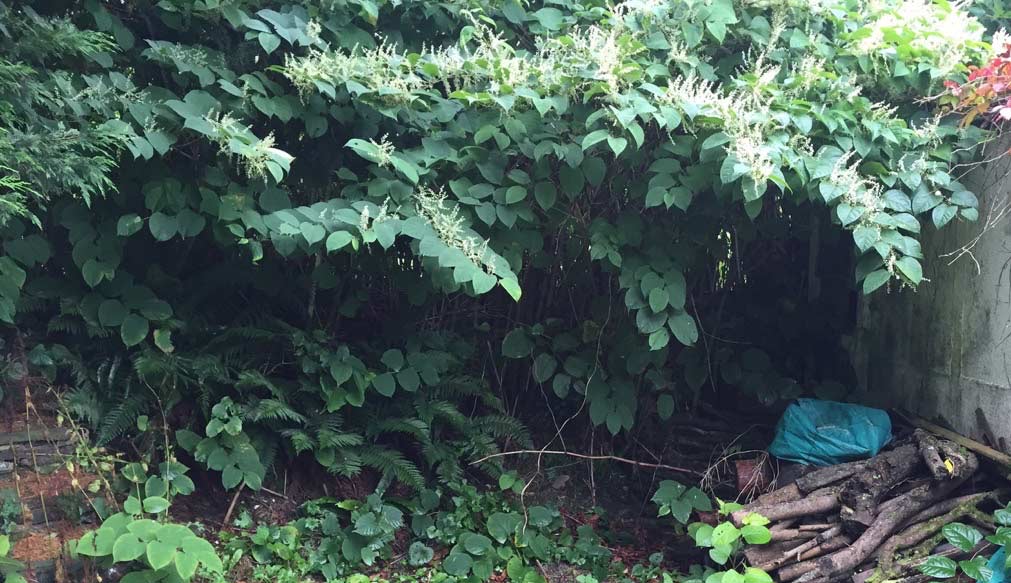
If you’re unsure, our team can help with professional Japanese knotweed identification and organise a survey to agree a safe course of action.
We operate across Cornwall, Devon, Somerset and Dorset.
All operatives are NPTC PA1, PA6 and PA6AW qualified and our surveyors are CSJK certificated (Certificated Surveyor in Japanese Knotweed).